Add your promotional text...

The Ultimate Guide to Gut Health: What It Is, Why It Matters, and How to Restore Balance
Learn how to heal your gut naturally with science-backed strategies. Discover foods, habits, and lifestyle changes that improve digestion, mood, and energy.
Introduction: Your Gut, the Hidden Powerhouse
Many people associate gut health solely with preventing bloating or indigestion, but its impact extends far beyond digestion. Your gut plays a crucial role in regulating your immune system, supporting nutrient absorption, and even influencing your mental well-being through the gut-brain connection.
At Health Edge Secrets, we explore science-backed strategies to help you naturally restore gut balance. By nurturing your gut, you lay the groundwork for improved energy, stronger immunity, and overall long-term vitality.
1. What Is Gut Health?
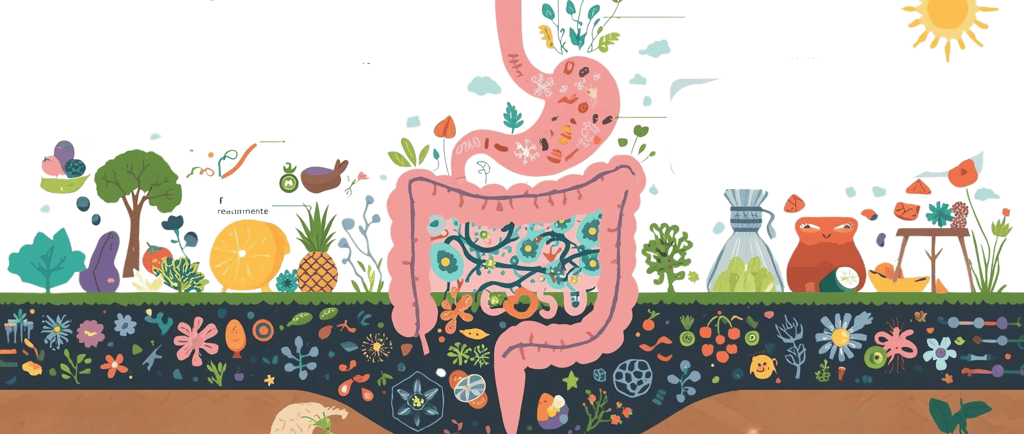
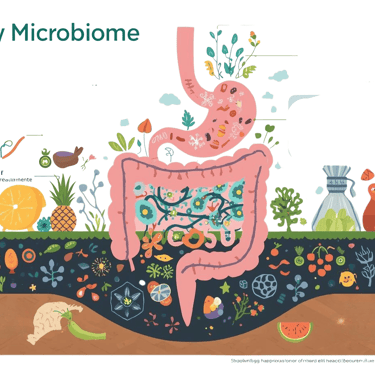
Your gut hosts over 100 trillion microorganisms, collectively referred to as the gut microbiome. This diverse community of bacteria, fungi, and other microbes plays a crucial role in maintaining overall health by performing key functions such as:
Breaking down food and absorbing nutrients: Gut microbes help digest complex carbohydrates, proteins, and fibers, enabling your body to extract essential vitamins and minerals.
Supporting immune defense: The microbiome strengthens your immune system by promoting the production of protective antibodies and preventing harmful pathogens from invading.
Regulating mood and hormones: Gut bacteria influence the production of neurotransmitters like serotonin, affecting mood, stress levels, and hormonal balance.
Protecting against inflammation and chronic disease: A healthy microbiome reduces inflammation, lowers the risk of conditions such as diabetes, heart disease, and obesity, and supports long-term wellness.
When the microbiome is balanced, your body thrives. When it’s out of sync—a condition called dysbiosis—you may experience fatigue, digestive issues, brain fog, skin problems, or even anxiety.
2. Why Gut Health Matters More Than You Think
Science now links gut imbalance to a range of health challenges, including:
Autoimmune Diseases: Conditions where the immune system mistakenly attacks the body, such as Hashimoto’s thyroiditis or rheumatoid arthritis.
Mental Health Issues: Challenges including anxiety and depression, which can affect emotional well-being and daily functioning.
Weight Management Struggles: Difficulty maintaining a healthy weight due to factors like metabolism, hormonal imbalances, or lifestyle habits.
Sleep and Energy Problems: Experiencing poor sleep quality or chronic fatigue, impacting overall health and productivity.
Weakened Immunity and Inflammation: Reduced ability to fight infections and increased inflammation, potentially leading to chronic health conditions.
Your gut communicates directly with your brain through the gut-brain axis, sending chemical signals that influence mood, appetite, and even decision-making. When your gut is happy, your mind often follows.
3. Signs of an Unhealthy Gut
Watch for these common red flags:
Frequent bloating, gas, or constipation: These can indicate digestive issues or imbalances in gut health.
Food intolerances or sugar cravings: May signal underlying nutrient deficiencies, gut dysbiosis, or hormonal imbalances.
Unexplained fatigue or irritability: Often linked to poor sleep quality, stress, or nutritional deficiencies.
Skin flare-ups (eczema, acne, rosacea): Could be a result of inflammation, allergies, or an unhealthy diet.
Mood swings or brain fog: Potentially caused by hormonal changes, stress, or poor gut-brain connection.
If any of these sound familiar, your gut may be asking for attention.
4. How to Heal and Strengthen Your Gut Naturally
Here are the science-backed steps to restore gut harmony:
i. Eat Real, Whole Foods
Incorporate fiber-rich fruits, vegetables, and whole grains into your diet. These foods act as prebiotics, which nourish the beneficial bacteria in your gut. Examples include apples, bananas, broccoli, oats, and quinoa. Avoid processed foods, as they can disrupt gut health.
ii. Manage Stress
Chronic stress negatively impacts the gut-brain axis, leading to digestive issues. Engage in stress-reducing activities such as meditation, deep breathing exercises, yoga, or even a daily walk in nature. These practices help regulate cortisol levels, which can improve gut function.
iii. Stay Hydrated
Drinking enough water aids in digestion, nutrient absorption, and maintaining the mucosal lining of your intestines. Aim for at least 8 cups (64 ounces) of water daily. Enhance hydration by adding lemon, cucumber, or mint for flavor and additional health benefits.
iv. Add Probiotics
Probiotics introduce beneficial bacteria to your gut. Add fermented foods like yogurt with live cultures, kefir, kimchi, sauerkraut, miso, or tempeh to your meals. If dietary sources are insufficient, consider a high-quality probiotic supplement tailored to your needs.
v. Prioritize Restful Sleep
Quality sleep is essential for gut restoration, as your body repairs and rebalances during rest. Aim for 7-9 hours of uninterrupted sleep per night and establish a consistent bedtime routine. A consistent bedtime routine can support microbial balance and hormone regulation. Avoid screens and stimulants before bed to enhance sleep quality, which supports microbial balance and hormonal regulation.
5. Foods That Heal the Gut
Prebiotic-rich foods: Garlic, onions, leeks, asparagus, bananas, and oats are excellent sources of prebiotics, which help nourish beneficial gut bacteria and promote digestive health.
Probiotic foods: Greek yogurt, kimchi, miso, and kombucha are rich in probiotics, live microorganisms that support gut balance and strengthen the immune system.
Anti-inflammatory foods: Turmeric, ginger, salmon, and leafy greens are known for their powerful anti-inflammatory properties, helping to reduce inflammation and support overall health.
Healing broths: Bone broth and collagen-rich soups provide essential nutrients like amino acids and minerals, aiding in gut repair, joint health, and skin rejuvenation.
6. Habits That Harm Gut Health
Avoid or limit these gut disruptors:
Processed foods and added sugars: These can lead to inflammation and negatively impact the balance of your gut microbiome. Opt for whole, unprocessed foods whenever possible.
Excess alcohol or caffeine: Overindulgence can irritate the gut lining and disrupt healthy bacteria. Moderation is key to maintaining gut health.
Overuse of antibiotics: While necessary in some cases, frequent use can kill both harmful and beneficial bacteria, leading to an imbalanced microbiome. Use antibiotics only as prescribed by a healthcare professional.
Chronic stress or poor sleep: Both can weaken the gut-brain connection and disrupt digestion. Practice stress management techniques and prioritize 7-9 hours of quality sleep each night.
7. Supplements for Gut Support (Use Wisely)
Before adding supplements, talk with your healthcare provider. Common science-backed options include:
Probiotics: Help maintain a healthy balance of gut bacteria, supporting digestion and overall gut health.
Digestive Enzymes: Aid in breaking down food to enhance nutrient absorption and improve digestive efficiency.
L-Glutamine: An amino acid that plays a key role in repairing and strengthening the gut lining, promoting intestinal health.
Omega-3 Fatty Acids: Possess anti-inflammatory properties that can help reduce inflammation in the gut and support overall digestive wellness.
8. The Gut-Brain Connection: Mood Starts in the Microbiome
Nearly 90% of serotonin, often referred to as your “feel-good” neurotransmitter, is produced in the gut. This vital chemical plays a key role in regulating mood, sleep, appetite, and cognitive function. Supporting gut health not only enhances digestion but also contributes to better emotional well-being, sharper focus, and improved resilience to stress.
Conclusion: A Healthy Gut = A Healthier You
Caring for your gut is essential for maintaining overall health and well-being. Simple daily habits, such as eating mindfully to support digestion, staying hydrated to aid nutrient absorption, prioritizing adequate rest for recovery, and maintaining a balanced diet rich in fiber and probiotics, can significantly enhance your energy levels, strengthen your immune system, and improve mental clarity.
At Health Edge Secrets, we help you unlock these insights so you can live smarter, not harder—with wellness that’s rooted in science, not fads.
Because when your gut thrives, you do too.